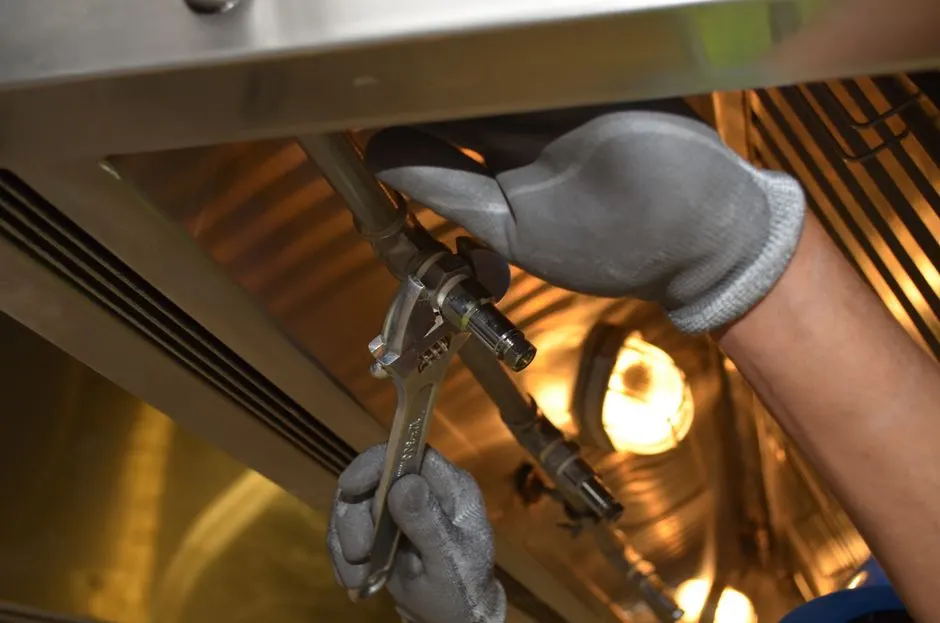
To prepare your plumbing for hurricane season in Naples, shut off the main water valve, kill power to the water heater, clear and test your sewer cleanout, and check every supply line for leaks before the first named storm. Those four steps take about 90 minutes and prevent the two most expensive outcomes: a flooded interior from a burst line and a sewage backup that costs $3,000-$8,000 to remediate. This guide walks through the full Naples hurricane plumbing checklist, what to do after the storm passes, and when to call us.
Preparing plumbing for hurricane season in Naples is the set of pre-storm and post-storm tasks that protect your supply lines, drains, water heater, and sewer connection from surge flooding, pressure changes, and debris. We do this work every year from June through November, and the homes that come through a storm with zero water damage are almost always the ones that spent an afternoon on prep in May.
What to do before the storm: a Naples hurricane plumbing checklist
A Naples hurricane plumbing checklist starts at the main shut-off valve and works outward, because everything downstream depends on being able to stop the water fast. Find your valve now - not at 2 a.m. when a tree has taken out a window and rain is coming through the ceiling. Most Naples homes have a brass gate valve near the street or at the side of the house; newer construction in plumbing North Naples FL often uses a ball valve with a lever handle, which is easier to turn under stress.
Work through these steps in order. Give yourself a full afternoon, and do it before a storm is named - not while the shelves at the hardware store are already empty.
- Locate and test the main shut-off valve. Turn it clockwise until it stops, then open a cold tap to confirm the water actually stops. If the valve is seized or weeping, replace it now.
- Check every supply line under sinks, behind toilets, and at the washing machine. Braided stainless lines last about 8-10 years in South Florida's humidity. If yours are older, swap them.
- Inspect the water heater. Look for rust at the fittings, moisture under the tank, and any sign of a slow drip. A 12-year-old tank in a garage that floods is a liability.
- Clear the sewer cleanout. Find the cap, unscrew it, and confirm the line runs free. If it backs up now, it will back up worse during a storm.
- Test the sump pump or lift station if your home has one. Pour a bucket of water into the pit and watch it cycle.
- Trim trees back from the roof and exterior lines. A limb through a wall is a plumbing emergency waiting to happen.
- Stock a basic kit: a pipe wrench, two hose clamps, a roll of self-fusing silicone tape, and a 5-gallon bucket.
If you would rather have a licensed plumber walk the house with you, we offer a pre-season inspection that covers all of the above in about two hours. It is the cheapest insurance you will buy all year. For homeowners who want a single point of contact for plumbing Naples FL, we handle the inspection, the repairs, and the post-storm callbacks.
Should I turn off my water before a hurricane in Naples?
Yes - shut off the main water valve before a hurricane in Naples if you are evacuating, and strongly consider it even if you are staying. The reason is simple: if a pipe bursts while the supply is live, water runs until someone stops it. If the supply is off, a burst line leaks only what is already in the pipes - a few cups instead of hundreds of gallons.
Here is how to do it correctly:
- Turn the main valve clockwise until it stops. Do not force it past the stop point.
- Open the lowest faucet in the house (usually a hose bib or a downstairs tub) to drain residual pressure.
- Open the highest faucet to let air in so the lines drain faster.
- Leave the faucets open until you return.
If you are evacuating, also shut off the valve to the washing machine and the ice maker line - those two connections fail more often than anything else in a storm. And if your home has a pool, do not drain it; a drained pool can pop out of saturated ground. Just lower the water level 6-12 inches below the skimmer.
How to protect your water heater during a hurricane in Naples
Protecting your water heater during a hurricane in Naples means cutting the power, shutting the cold inlet, and - if the unit sits in a flood-prone garage - strapping it to the wall. A tank full of 50 gallons of water is heavy, and a storm surge of even 12 inches can float a tank off its base and tear the gas or electrical connections loose.
Do this before the storm:
- Turn off the power. For an electric heater, flip the breaker at the panel. For gas, turn the gas control knob to "pilot" or "off" and shut the gas valve.
- Close the cold-water inlet valve on top of the tank.
- Attach a hose to the drain valve and run it to a floor drain or outside. Drain about 5 gallons to reduce weight and give the tank room to flex.
- Strap the tank. Two metal straps, one at the top third and one at the bottom third, anchored to studs. This is required by code in many Florida jurisdictions and it costs about $40 in parts.
- Photograph the installation for insurance purposes.
If your tank is already past 10 years old, this is the season to replace it rather than nurse it through another storm. We handle water heater installation Naples FL with same-week scheduling, and we can usually have a new tank in and running the same day.
How to prevent sewer backup during a hurricane in Naples, Florida
To prevent sewer backup during a hurricane in Naples, Florida, you need to understand one thing: when the city's stormwater and sanitary systems are overwhelmed, water has to go somewhere, and the lowest open connection in your home is the path of least resistance. That is usually a ground-floor shower, a laundry drain, or a toilet.
Three defenses work:
- Backwater valve. A one-way valve installed on your main sewer line that lets waste out but blocks flow from coming back in. Installed cost in Naples runs $1,200-$2,500 depending on access and pipe material.
- Test plug or inflatable bladder. A rubber plug you insert into the lowest drain before the storm. Cheap, effective, and removable. About $25 at any hardware store.
- Sandbags around the cleanout and any ground-level drains. Not glamorous, but it slows surface water intrusion.
If your home has had a backup before, or if you live in a low-lying area near the Gordon River or the canals off Naples Park, get the backwater valve installed in the spring. We install them as part of our sewer line repair Naples FL work, and we can usually tie it into an existing cleanout without digging up the yard.
What plumbing problems happen after hurricanes in Naples, Florida
The most common plumbing problems after a hurricane in Naples are burst supply lines, sewage backups, water heater failures, and slab leaks caused by soil movement. We see all four every season, and the order they show up is predictable.
Here is what to check when you get home:
- Smell first. A sewer smell means a trap has dried out or a line has backed up. Run water in every fixture for 60 seconds.
- Look under every sink and around the water heater. Any moisture, any drip, any staining on the cabinet floor is a problem.
- Check the water meter. With all fixtures off, the leak indicator should be still. If it is spinning, you have a leak - often a slab leak from shifting soil.
- Listen for running water in walls or under the slab. That sound after a storm usually means a broken line.
- Flush every toilet and run every drain before you trust the system.
If the meter is spinning, do not wait. A slab leak can undermine your foundation in a matter of days. We use acoustic and thermal equipment for leak detection Naples FL, and we can pinpoint the break without tearing up the whole floor.
Common mistakes we see during storm prep in Naples
The biggest mistake Naples homeowners make is waiting until a storm is named to start prep. By then, hardware stores are sold out of hose clamps, plumbers are booked solid, and you are making decisions under pressure. Start in May.
Other mistakes we see every year:
- Shutting off the water but not draining the lines. Residual pressure still causes damage.
- Leaving the water heater on. An empty or partially drained tank with the element live will burn out in minutes.
- Ignoring the cleanout. A cleanout that is buried under mulch or a paver is useless when you need it.
- Using a garden hose as a permanent drain line. It kinks, splits, and floods the garage.
- Forgetting the irrigation system. Backflow preventers crack in storm-driven debris. Shut the irrigation off at the main and drain the lines.
- Not photographing anything. Insurance claims go faster with before-and-after photos of every fixture and the water heater.
One more: do not assume that because your home did fine in a previous storm, it will do fine in the next one. Each storm is different, and the soil saturation from the prior week matters more than the category of the storm itself.
When to call a professional
Call a professional if you cannot find or turn your main shut-off valve, if your water heater is over 10 years old, if you have had a sewer backup before, or if your water meter is spinning with everything off. Those are the four situations where a small pre-season repair prevents a five-figure post-storm cleanup.
Plumber Naples FL handles pre-season inspections, backwater valve installation, water heater replacement, and emergency post-storm repairs across Collier County. We are a state-licensed plumbing contractor, and we give you a flat price before we start work. If you are in a low-lying neighborhood like plumbing Naples Park FL, where storm surge and canal flooding are a real concern, we recommend the full inspection every spring.
Frequently Asked Questions
How do I prepare my plumbing for hurricane season in Naples FL?
Shut off the main water valve, drain the lines, kill power to the water heater, clear and test the sewer cleanout, and check every supply line for leaks. Do this in May, before the season starts. The full process takes about 90 minutes and prevents the most expensive storm damage.
Should I turn off my water before a hurricane in Naples?
Yes. Shut the main valve if you are evacuating, and strongly consider it even if you are staying. A burst pipe with the supply live can release hundreds of gallons; with the supply off, it releases only what is already in the lines. Drain residual pressure through the lowest faucet.
What plumbing problems happen after hurricanes in Naples Florida?
The most common are burst supply lines, sewage backups, water heater failures, and slab leaks from soil movement. Check your water meter with all fixtures off - if the leak indicator is spinning, you have a leak. Call a plumber the same day.
How do I protect my water heater during a hurricane in Naples?
Turn off the power or gas, close the cold inlet valve, drain about 5 gallons to reduce weight, and strap the tank to the wall with two metal straps. If the tank is over 10 years old, replace it before the season rather than risk a flood-damaged unit.
Who do I call for emergency plumbing after a hurricane in Naples FL?
Call Plumber Naples FL at (239) 522-0938. We handle burst pipes, sewer backups, water heater failures, and slab leaks across Naples and Collier County, and we prioritize post-storm calls for homes with active water damage.
Get help with plumbing in Naples
Hurricane season in Naples runs June 1 through November 30, and the prep work you do in May is what keeps your home dry in September. If you want a licensed plumber to walk your house, install a backwater valve, or replace an aging water heater before the next storm, we can get you on the schedule this week.
Call Plumber Naples FL at (239) 522-0938 for pre-season inspections and 24/7 emergency plumbing in Naples.